


How do you know what to make next? How do you stay inspired, perhaps after delivering a commission or responding to a brief?
In this post I’m going to draw on the conversations I’ve had with artists and creatives about building a practice that keeps on rolling. What we want as artists is a sense of ease moving between bodies of work, ideas, ways of working and techniques. But more than that, I want to dig into why creative autonomy is important to keep your work flowing.
Artists need creative autonomy. It’s not a luxury, it’s what makes the work art rather than output. But not everyone starts from the same place, and I think it’s worth naming two distinct experiences here.
For creatives who respond to briefs and meet deadlines, the rhythm of demand and delivery can become a kind of groove that’s hard to step out of. You get good at making to specification, at reading what’s needed, at delivering. But creative autonomy requires something different: it requires you to be the one setting the terms. If you’re a creative who wants to move toward a more artist-led practice, or you want to bring more of yourself into the work, building creative autonomy is how you do it. It’s the thing to work on. The internal capacity to know what you want to make, and to trust it.
For artists, the challenge is different. Reaching a point of completion with a body of work can lead to crashing, a feeling of sudden emptiness, and even a creeping doubt that ideas will never come again. That silence after finishing can feel like a sign that you’ve run out, when actually it’s just a gap between one thing and the next.
In both cases, cultivating creative autonomy is what carries you through. Artists may establish creative autonomy intuitively. It can be there in the work without ever being named. But becoming more intentional about it can make a real difference to how you feel. When you understand what feeds you, what questions animate your practice, what you return to, the crashes and the depths and the doubts can be less destabilising. They may still come, but you have a way to move through.
So what we want is to be intentional. Intentional in the sense of clarifying the questions, drives, impulses and curiosities that drive the work. We’re looking to feed the obsessions, to know what we love researching, to identify what nourishes our imagination and delights us.
And for a moment, I want to refuse a few terms that can really gum us up as artists. It can feel quite benign to talk about meaning in our work. To focus on what our work means. I find, though, the word meaning in relation to our own work can get us into knots. Make us feel we might not have done enough or thought enough, or weird that we don’t really know why we’ve made the work.
Instead, I think in cultivating creative autonomy, we put the establishing of meaning on the side of the audience. We make, and with all our generosity, we hand it over to an audience for them to find their own meaning from it.
What we want to be ambitious about, though, is rewarding looking and attention to our work; to reward the return, the close look, the slow observation. And we do that in our making.
I think there is more room for us, more freedom, in letting go of the idea we determine the meaning of our work. The truth is, the work comes from our depths, our unconscious, and so what it means, even if we think there is a singular meaning, there actually isn’t. There are multiple things going on, and much of it we won’t be aware of.
So creative autonomy isn’t cultivated through pinning down what we do and why, whether that comes from outside or inside.
Rather, creative autonomy emerges as our playful, exploratory response to what we take in. It’s our open-ended response to stimulus. So feed your unconscious: keep encountering what delights you. Return to the books that made you feel. Or the places.
But more importantly, whatever you make, encounter it yourself. Let yourself respond to it. What does that artwork ask to be made next? What question does it pose?
One approach that can work is remaking something that worked. To understand it better, to improve, to go deeper. To return to a material you felt inspired by. Remaking, I think, is never a faithful recreation but can be a way back to a spark of inspiration you’ve forgotten. It’s the sense of inspiration or spark, or aliveness of depth, that animates an artwork, that turns it from something with a singular meaning like a poster in a doctor’s surgery into something ambiguous, multilayered, and indeterminate. And that’s the quality of art that refreshes the mind of our audience. The trick is to be under that spell too. But as the maker, our job is to build a layered context of wonder around the work. The playground, as it were.
There’s no fixed way to do that, establishing your creative autonomy. In my mentoring this is one of the threads we can hold, looking at the cultivation, increasing your confidence in your own play and wonder and experimentation. Often it’s as though artists need permission to not feel inhibition or self-consciousness. Get in touch if you can feel that creative autonomy needs some intentional developing in your work, I can help.
What creative autonomy produces is work that comes from a place that is countercultural, that flows against the tides of obedience and conformity. So I think we have a duty to bring more creative autonomy into the world, because of how necessary it is. Creative autonomy is political.
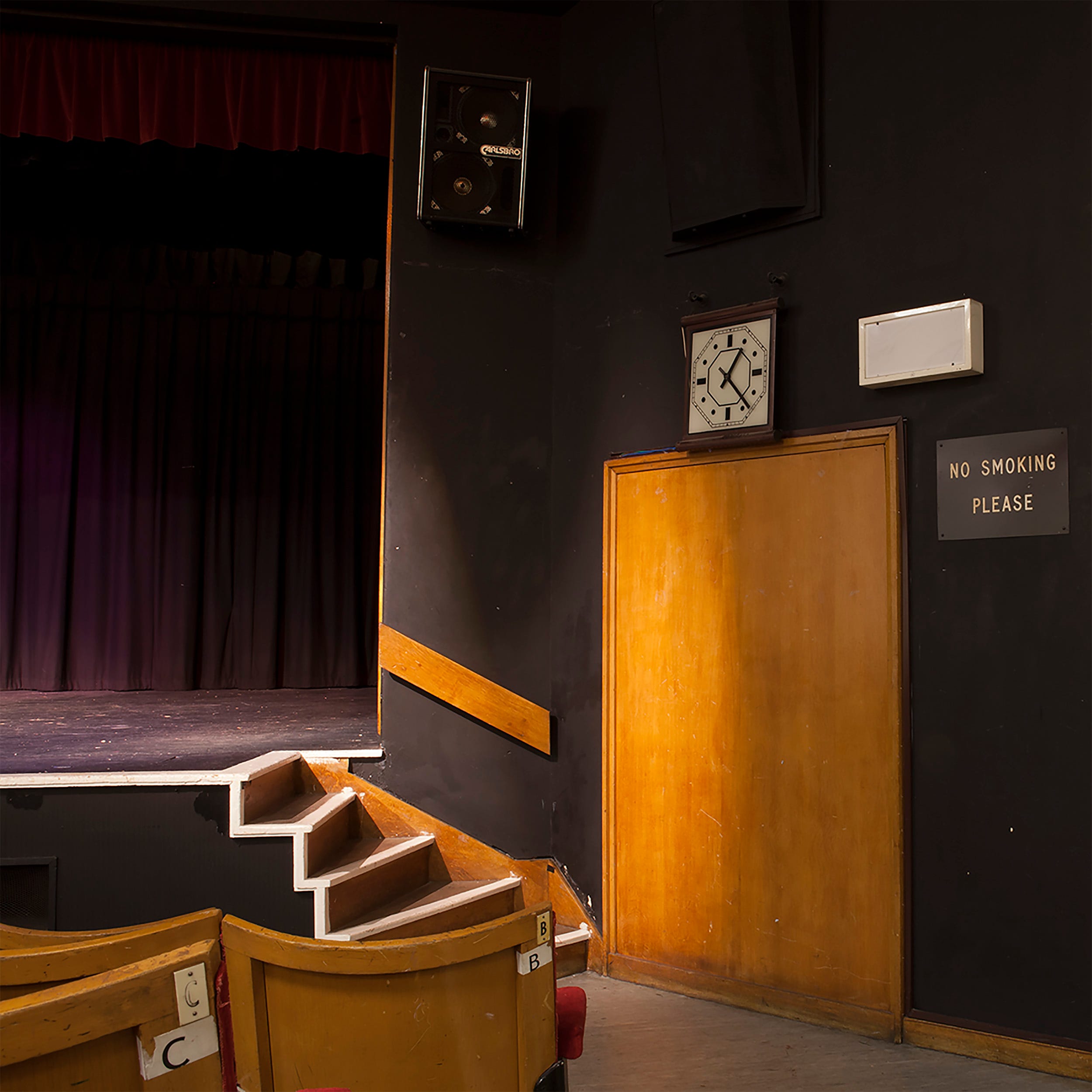
PS The image I’ve shared I’ve written about here, and it’s an image that for me, holds that sense of wonder and curiosity. It’s an image that keeps me looking and making.


